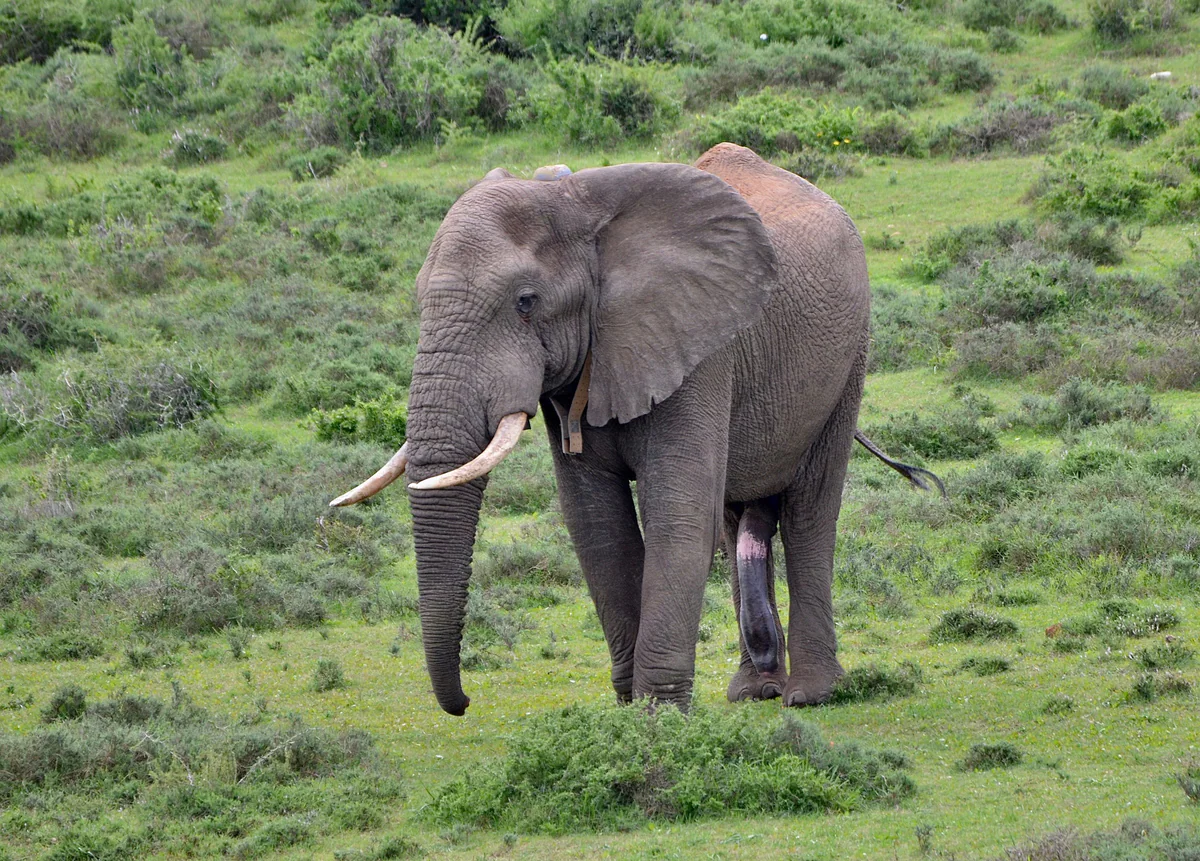
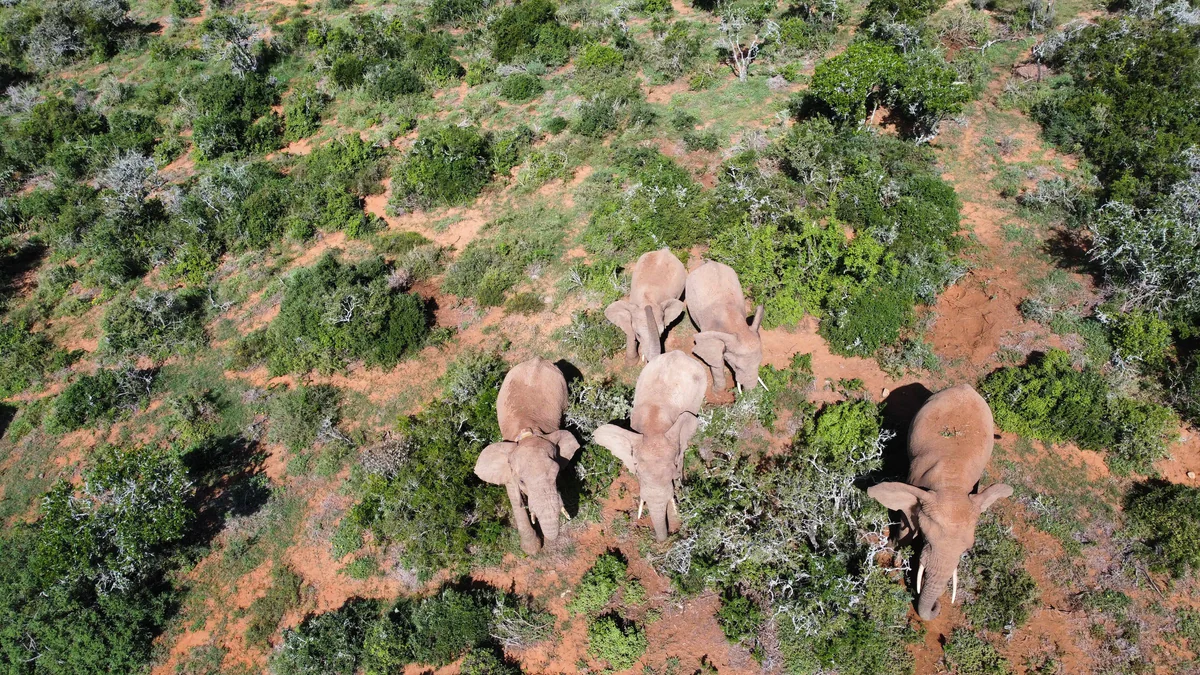

The short answer: there is no bad time to visit Addo. The Eastern Cape is malaria-free all year, the parks stay open in every season, and elephants are seen year-round. What changes is the light, the temperature, the vegetation and how the animals behave. Here is how to choose.
Summer (December to February)
Long, warm days and the greenest landscapes of the year. SANParks gives January reference temperatures of around 32°C at the hottest and 15°C at night. Elephants gather at waterholes in the heat of the day, which can make for spectacular sightings. Plan drives for early and late in the day, and expect the occasional afternoon storm.
Autumn (March to May)
Warm days soften into cooler mornings and some of the most beautiful light of the year. February and March are among the wetter months in the Addo area, so the bush is still lush and the dams are full. Autumn is a favourite for photographers and for anyone who prefers comfortable daytime temperatures.
Winter (June to August)
Crisp, clear and quiet. SANParks lists July references of around 18°C by day and 5°C at night. The vegetation thins out, which can make animals easier to spot, and the low winter sun gives long golden evenings. Pack a warm layer for early and late drives. It is an underrated season, with fewer visitors.
Spring (September to November)
Warmth returns, the veld starts to green again and many animals give birth. October and November are the other rainfall peak of the year in the Addo area, so a light waterproof is useful.
So when should you go?
- For lush landscapes and long days: December to March.
- For comfortable temperatures and great light: April, May, September and October.
- For clear game viewing and quiet roads: June to August.
Longhill sits 20 km gate to gate from Addo Elephant National Park, so you can combine private drives on our 1,850-hectare reserve with a day in the national park in any season. For a month-by-month breakdown, see our Addo weather guide.