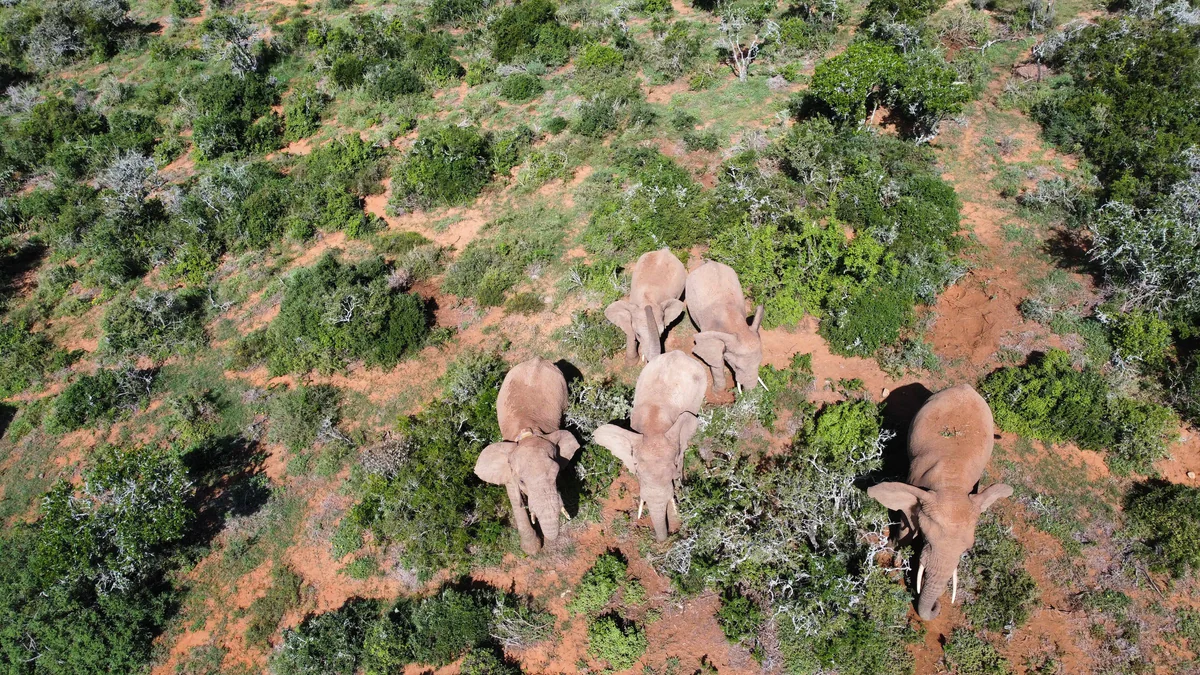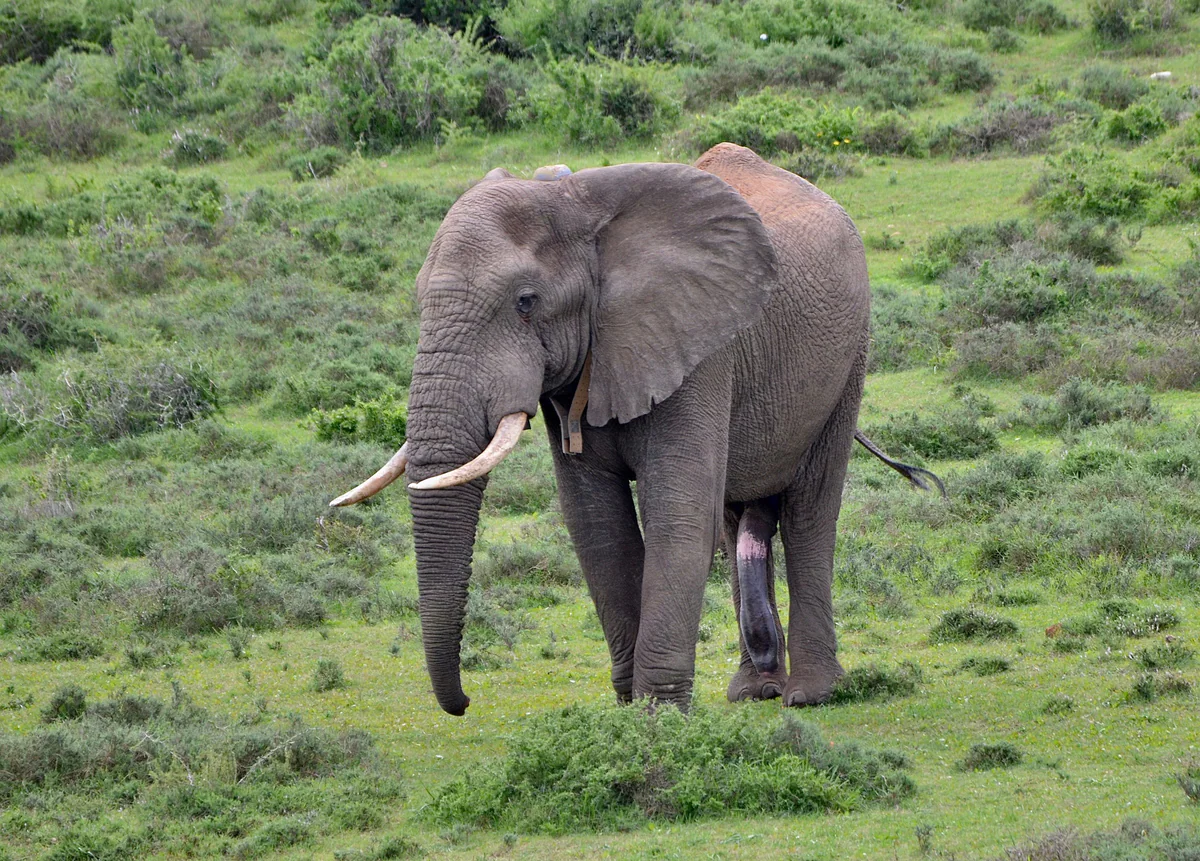

Longhill Reserve is now home to brown hyena. It is one of the most significant additions to the reserve’s wildlife since the elephant herd arrived, and it says a great deal about the health of the land they have moved into.
Meet the brown hyena
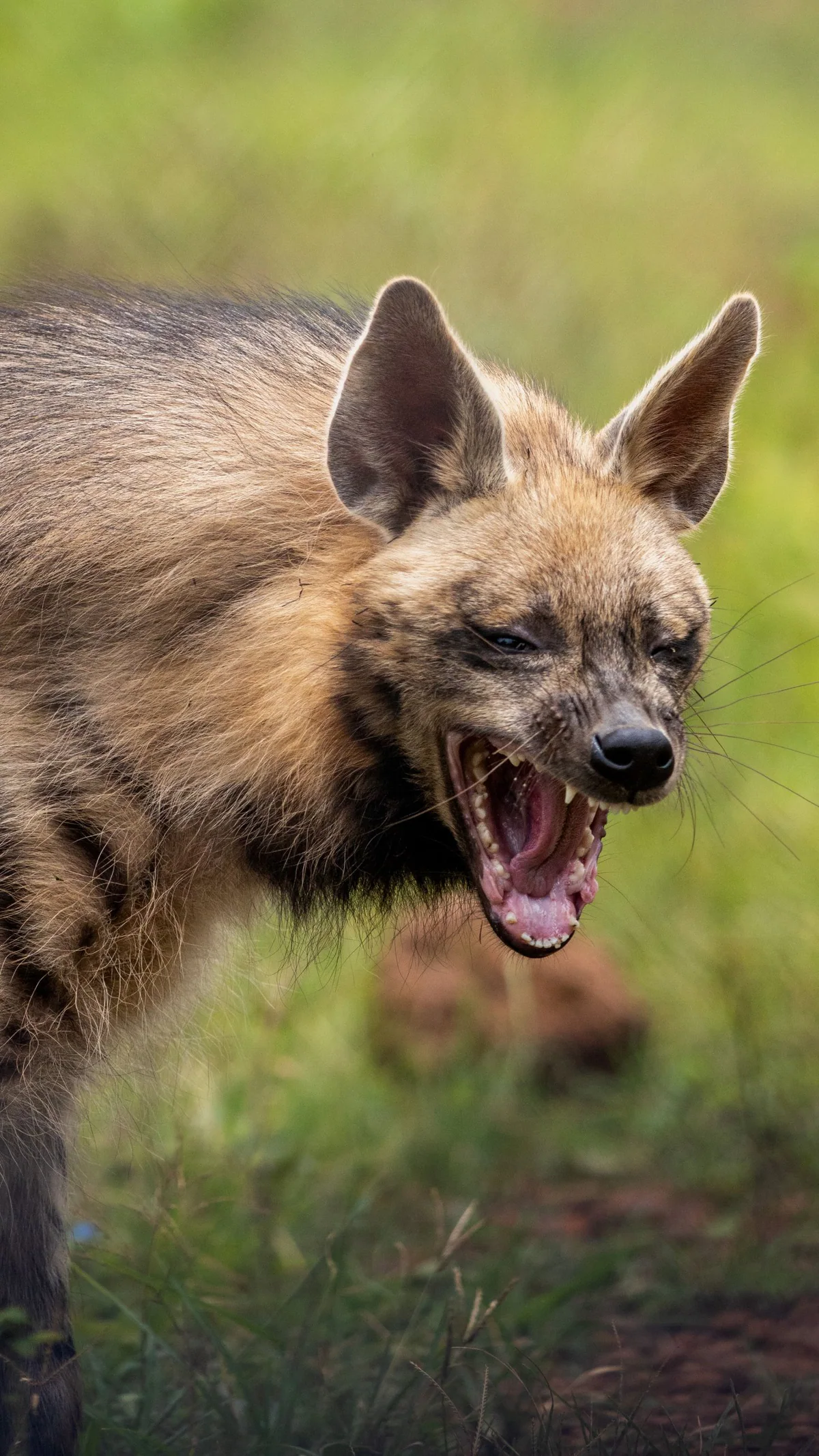
The brown hyena (Parahyaena brunnea) is the rarest of the world’s hyena species. It is found only in southern Africa, mainly in Namibia, Botswana, South Africa and Zimbabwe, and it is listed as Near Threatened on the IUCN Red List, with an estimated 4,000 to 10,000 animals left in the wild.
It looks quite different from the spotted hyena most safari-goers picture. Brown hyena carry a long, shaggy dark-brown coat, a paler mantle around the neck and shoulders, pointed ears and banded legs. They are largely nocturnal and usually forage alone, covering long distances at night, although they live in small clans that share a territory and a den.
Nature’s clean-up crew
Brown hyena are, first and foremost, scavengers. They feed on the remains of animals that have died or been killed by other predators, and their powerful jaws let them break down bone that nothing else will eat. They supplement this with fruit, insects, eggs and the occasional small animal.
That role is easy to overlook, but it is fundamental. By clearing carcasses, brown hyena keep the veld clean and help limit the spread of disease among wildlife. By breaking down what other animals leave behind, they return nutrients to the soil and close the loop in the food chain. South Africa’s national biodiversity institute describes the species as playing a key role in the ecosystem by cleaning up carrion.
Why their arrival matters
Historically, brown hyena ranged much further south across South Africa than they do today. A working scavenger population is part of what a balanced, self-sustaining ecosystem looks like, and creating space for a Near Threatened carnivore is exactly the kind of conservation work Longhill exists to do.
Will you see one?
Honestly, probably not, and that is part of their mystique. Brown hyena are shy and almost entirely nocturnal. You are far more likely to find their tracks on the sandy roads, or hear about a sighting from your guide, than to see one yourself. If you do, it will be one of the rarest sightings of your safari.