
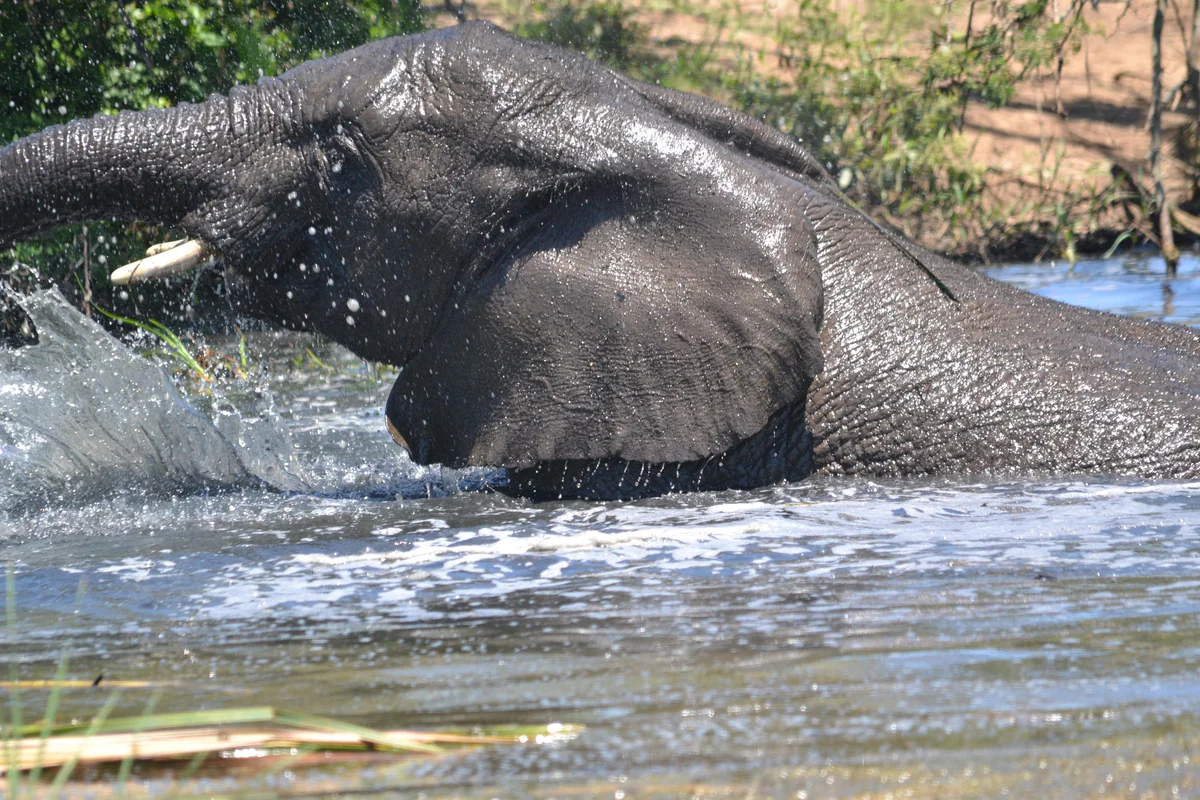
Elephant
The Longhill herd.
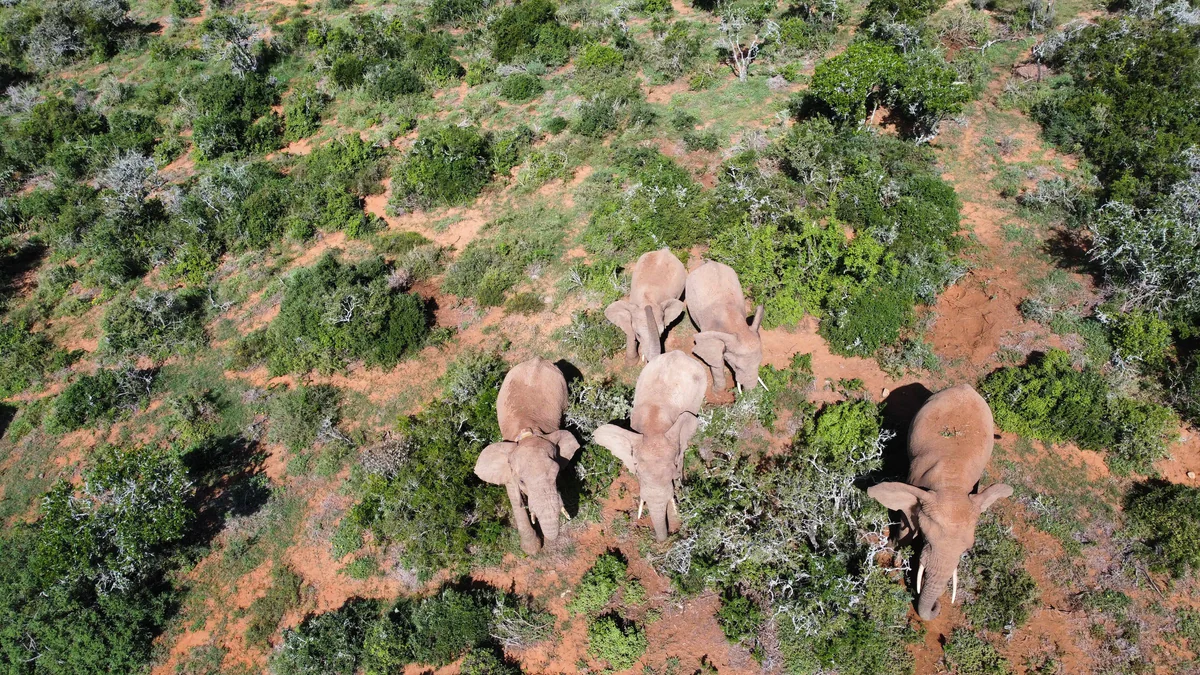
Seven elephants with Kruger and Phinda genetics: larger in stature than Addo’s herds and known for their tusks. Look for them at the waterholes at dawn and dusk.

Wildlife & Conservation
1,850 hectares of malaria-free bushveld, cared for with a conservation mandate.
Every stay helps fund the work below. It is the reason the reserve exists.
Seven elephants with Kruger and Phinda genetics: larger in stature than Addo’s herds and known for their tusks. Look for them at the waterholes at dawn and dusk.
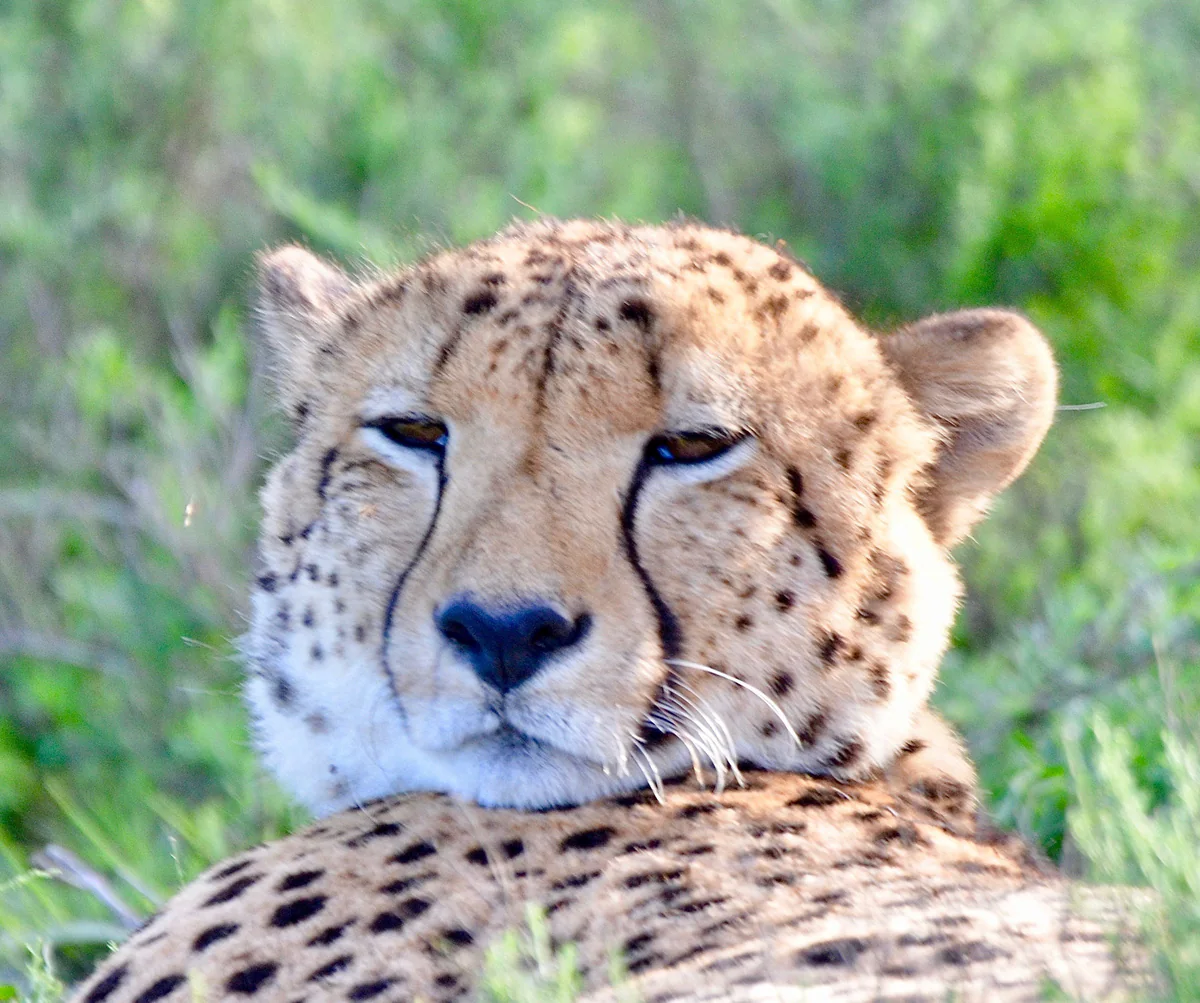
Monitored and cared for by the reserve team as part of Longhill’s long-term conservation commitment.

Spekboom absorbs up to four tonnes of carbon per hectare a year. Our planting project restores degraded thicket and rebuilds habitat across the reserve.
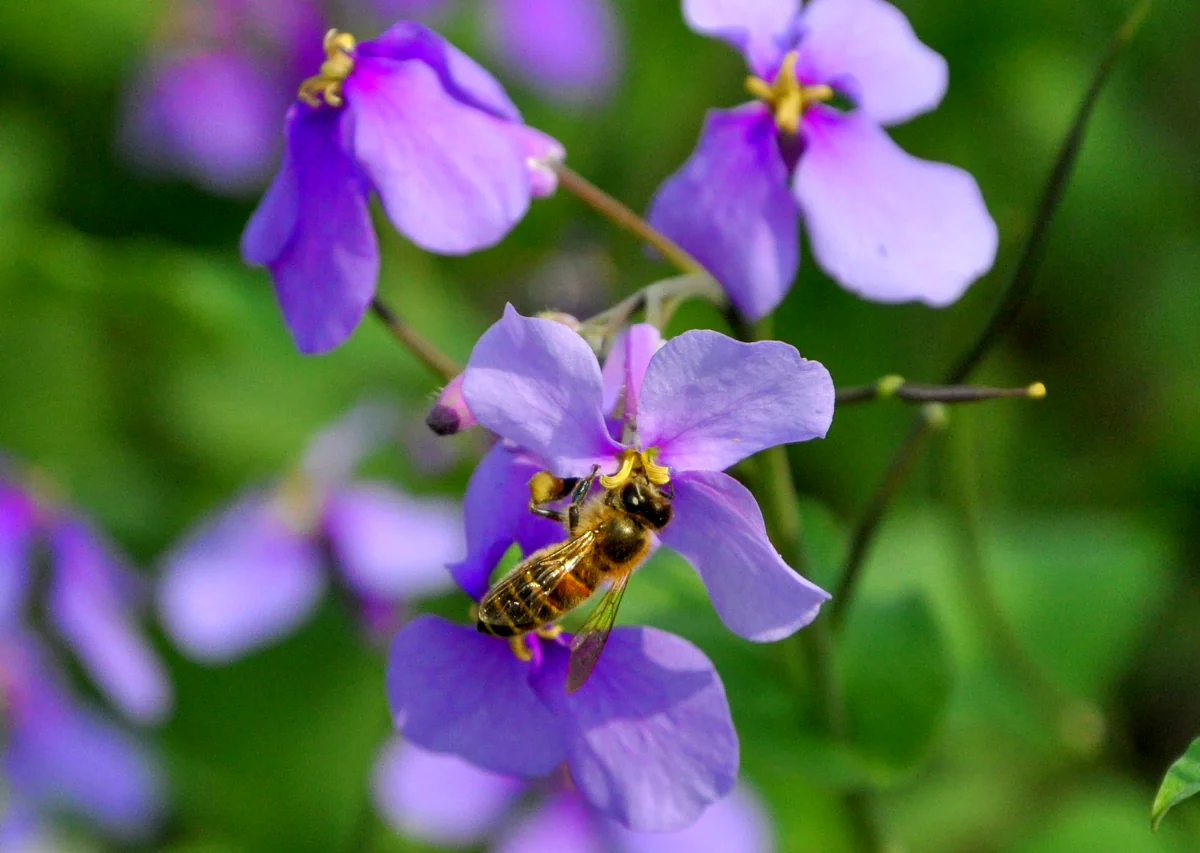
Our hives protect this endemic subspecies and produce a small batch of raw organic honey, kept for guests.
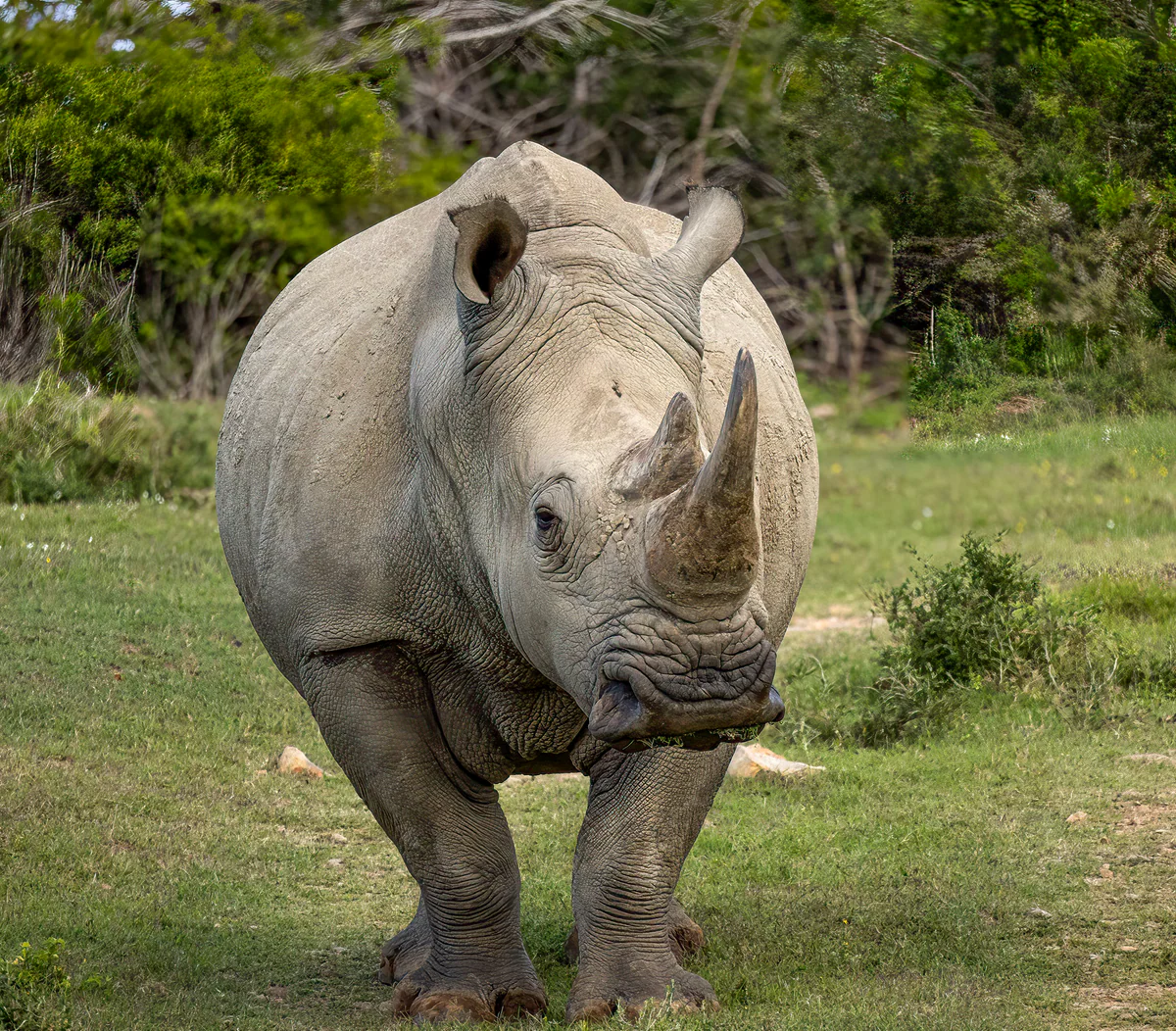
Rhino are not on Longhill yet. Bringing them to the reserve is the next chapter of our conservation work. Ask our team for the latest.
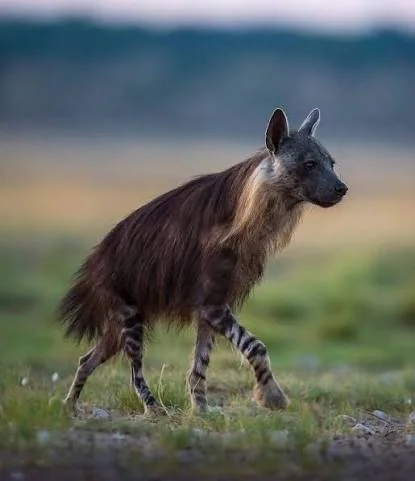
Longhill is now home to brown hyena: the rarest hyena on earth, and one of the quietest workers on the reserve.
Shy, shaggy and almost entirely nocturnal, they forage alone by night. You are more likely to find their tracks on a drive than to see one, which makes a sighting all the more special.
Brown hyena are mainly scavengers. They clear the carcasses other animals leave behind, crushing even the bones, which keeps the veld clean and helps limit the spread of disease.
By breaking down what nothing else will eat, they put nutrients back into the soil and close the loop in the food chain.
Found only in southern Africa and listed as Near Threatened on the IUCN Red List, with an estimated 4,000 to 10,000 left in the wild.
A working scavenger population is part of what a balanced, self-sustaining ecosystem looks like. Their arrival is a milestone for Longhill.
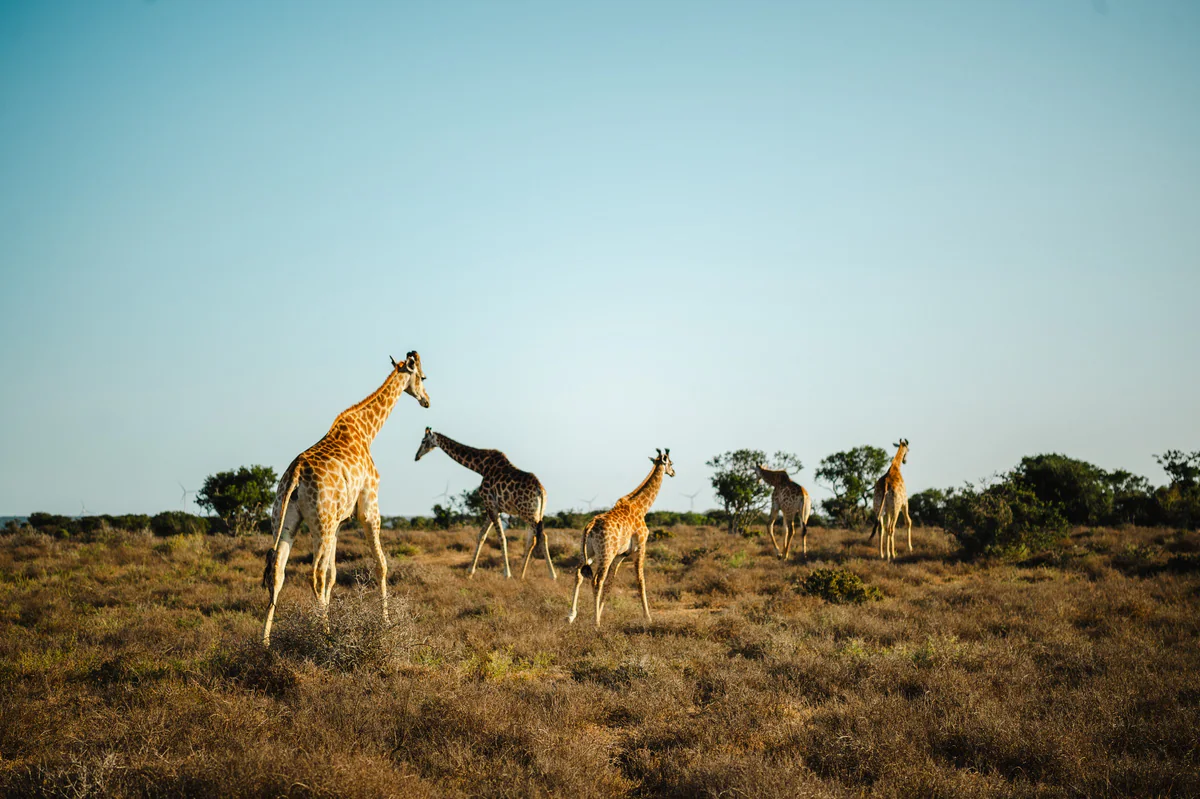
No crowds, no fixed itineraries. Just the reserve, on its own terms.
All recorded on the reserve. Leopard pass through the wider area but are not seen on Longhill.
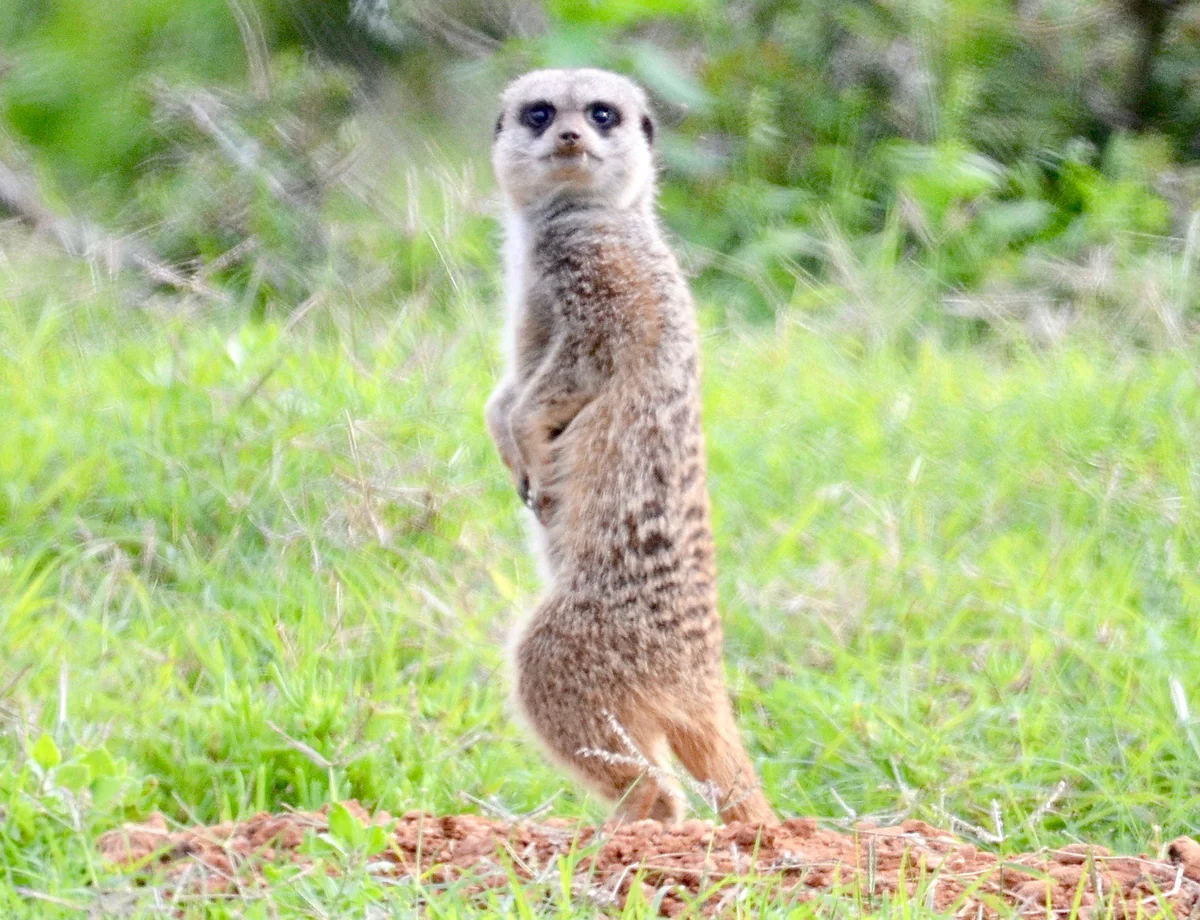
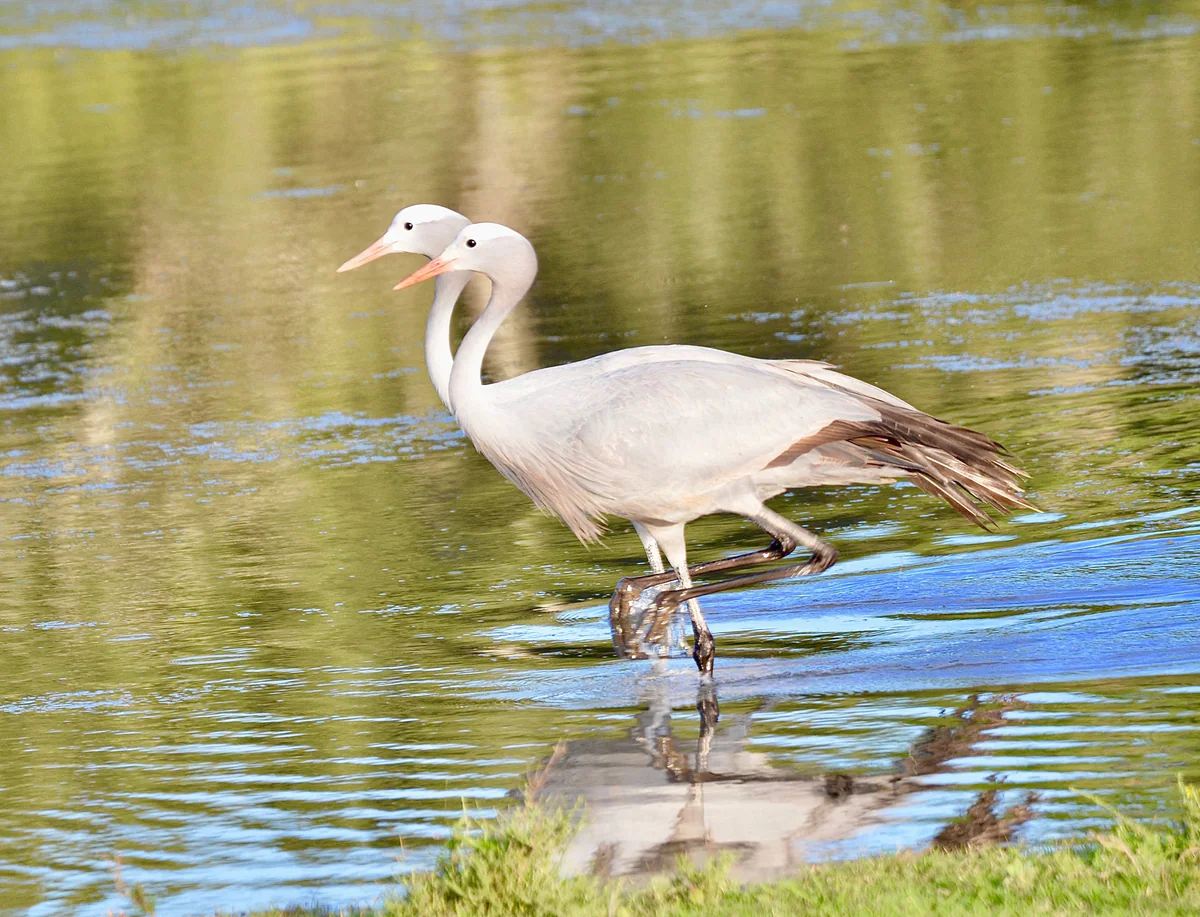
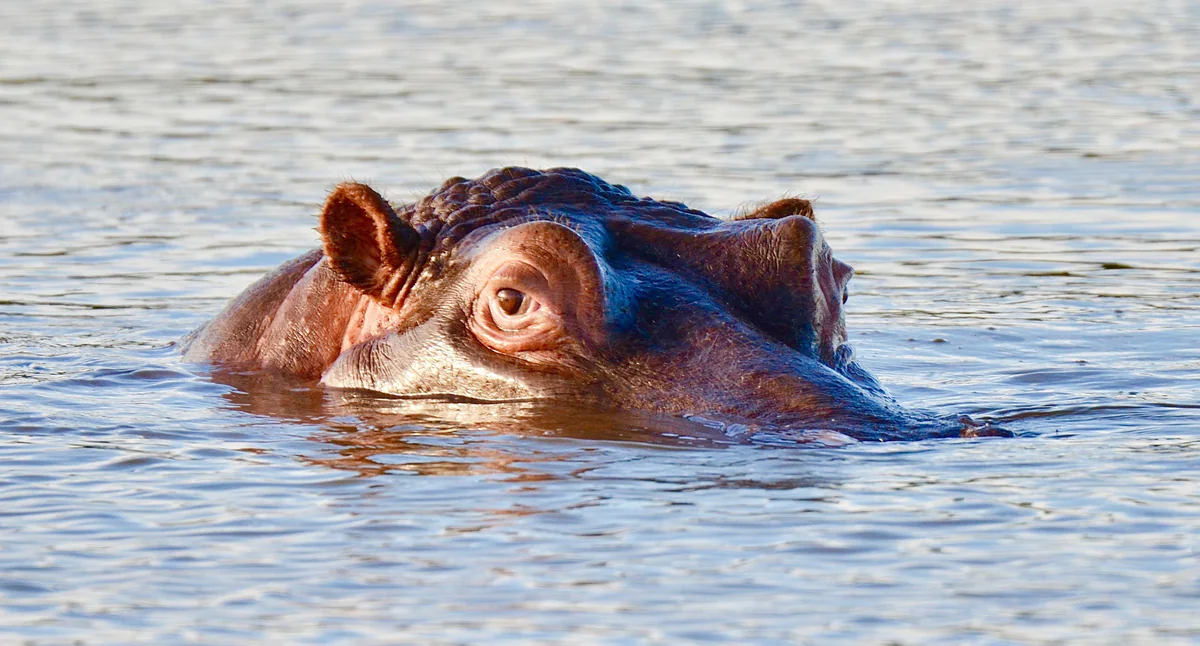
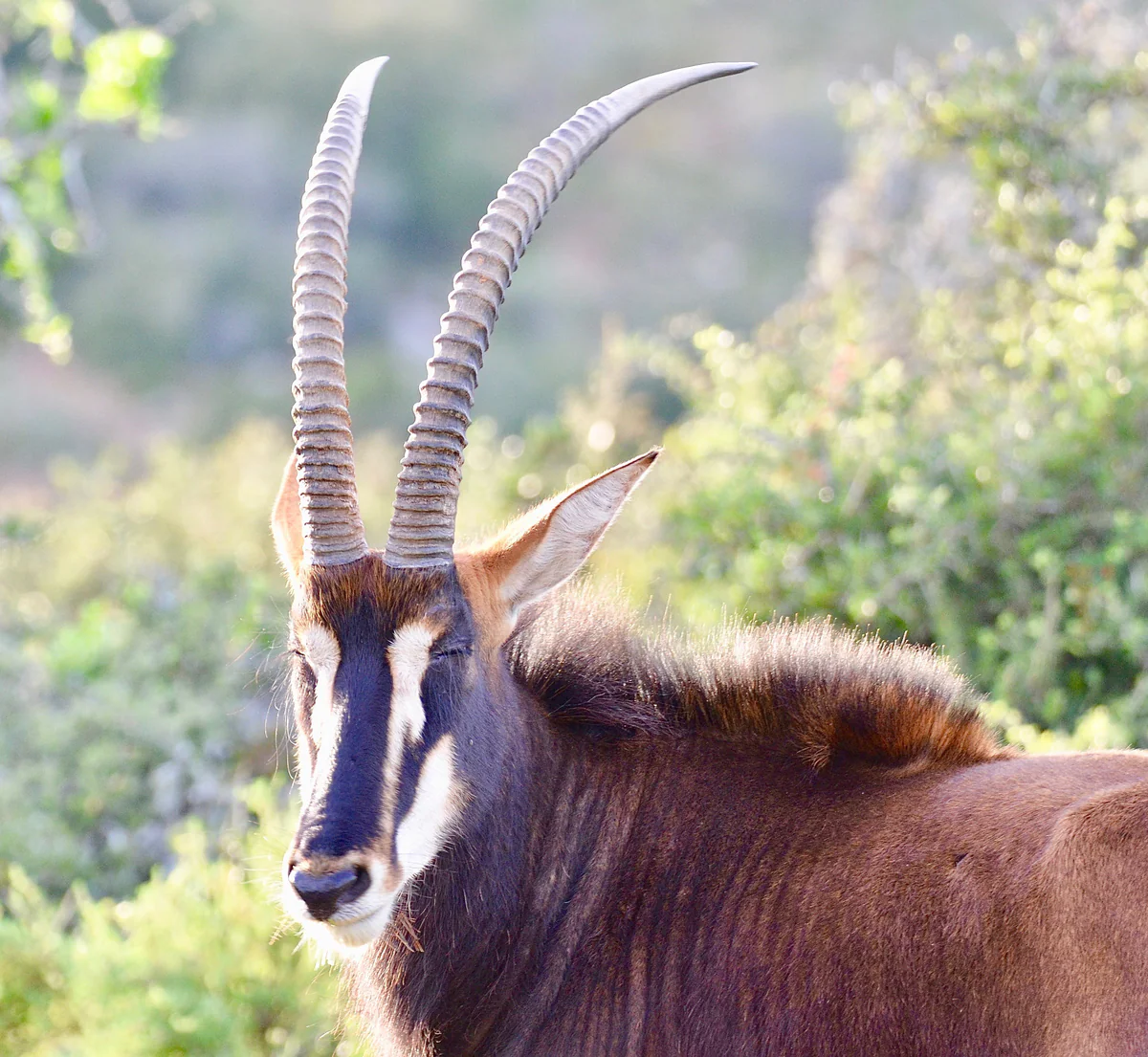
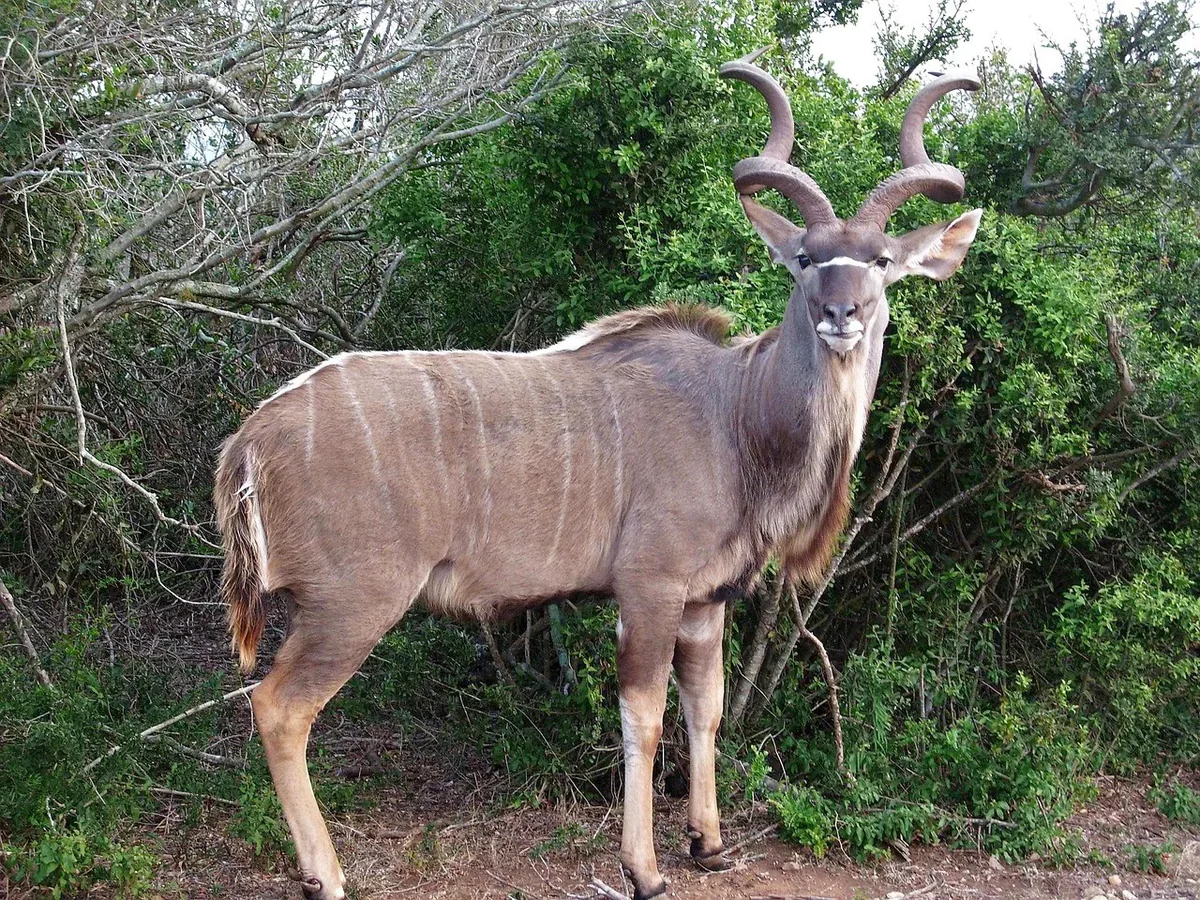
The reserve runs on solar power and its own boreholes, with ten dams holding water for wildlife through the dry months. Quiet, clean, and built to last.
Game drives & experiencesBook directly and you deal with the same small team who will welcome you at the gate.