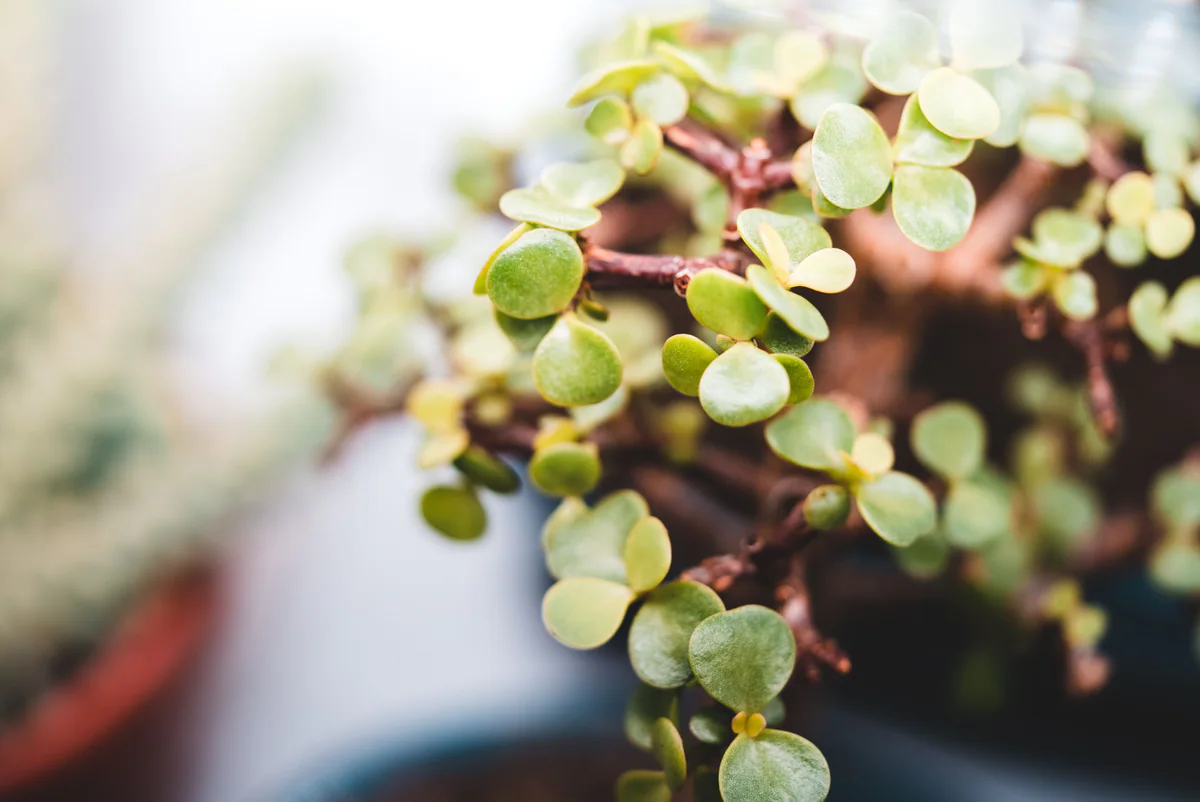

Spekboom (Portulacaria afra), also called elephant’s food or porkbush, is a small-leaved succulent native to South Africa’s Eastern Cape. It is the backbone of the region’s thicket, and it is one of the most important plants on Longhill Reserve.
Why spekboom matters
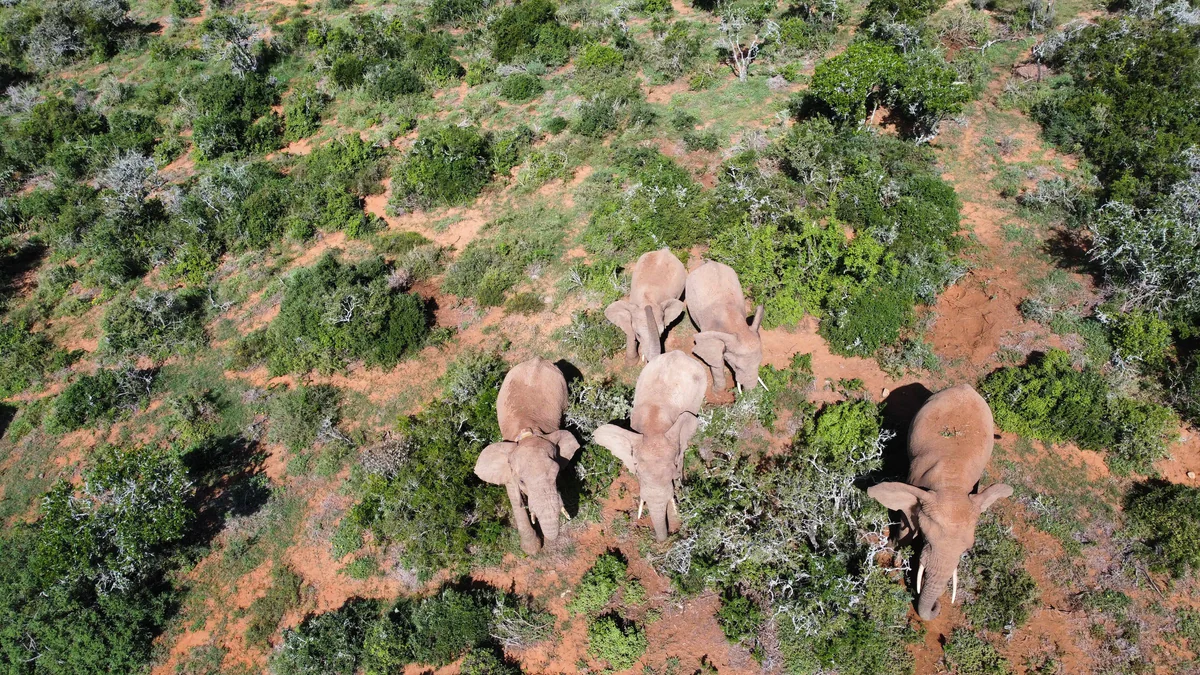
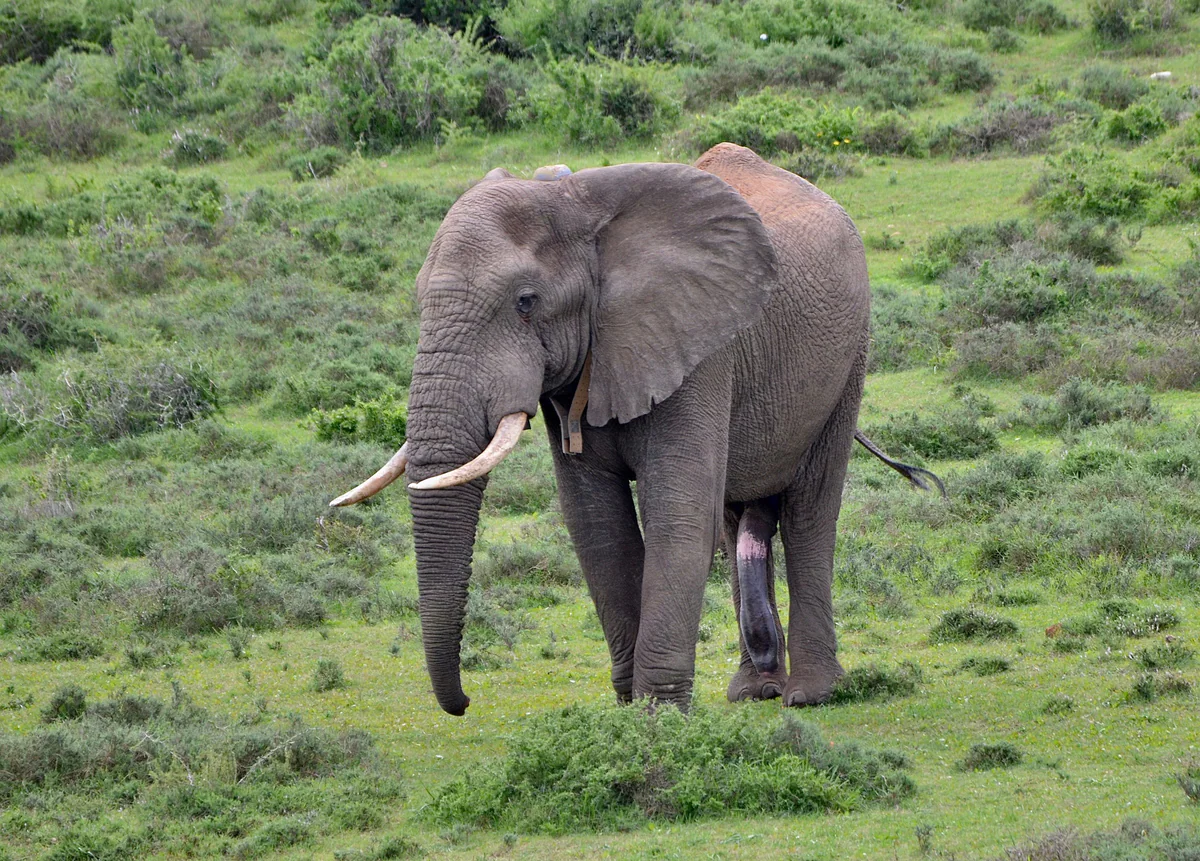
Dense spekboom thicket shelters small animals, feeds larger ones and holds the soil together. Elephants, kudu and tortoises browse it, and its cover makes space for everything from birds to insects. Where thicket has been degraded by decades of overgrazing, the land loses soil, water and wildlife.
A plant that stores carbon
Spekboom is also known for storing carbon. It can switch between ways of photosynthesising depending on conditions, and restoration projects have reported that restored spekboom thicket can capture up to about four tonnes of carbon per hectare each year. Estimates vary with rainfall and site, but the principle is clear: healthy thicket is good for the climate as well as for wildlife.
Restoration on Longhill
Spekboom is easy to propagate from cuttings, which makes it ideal for restoration. Longhill’s planting project is restoring degraded thicket and rebuilding habitat across the reserve, work that will take years to mature and that every stay helps to fund.