
Longhill’s beehives have produced their first harvest: a small batch of raw, organic honey, kept for guests at the reserve.
The Cape honeybee
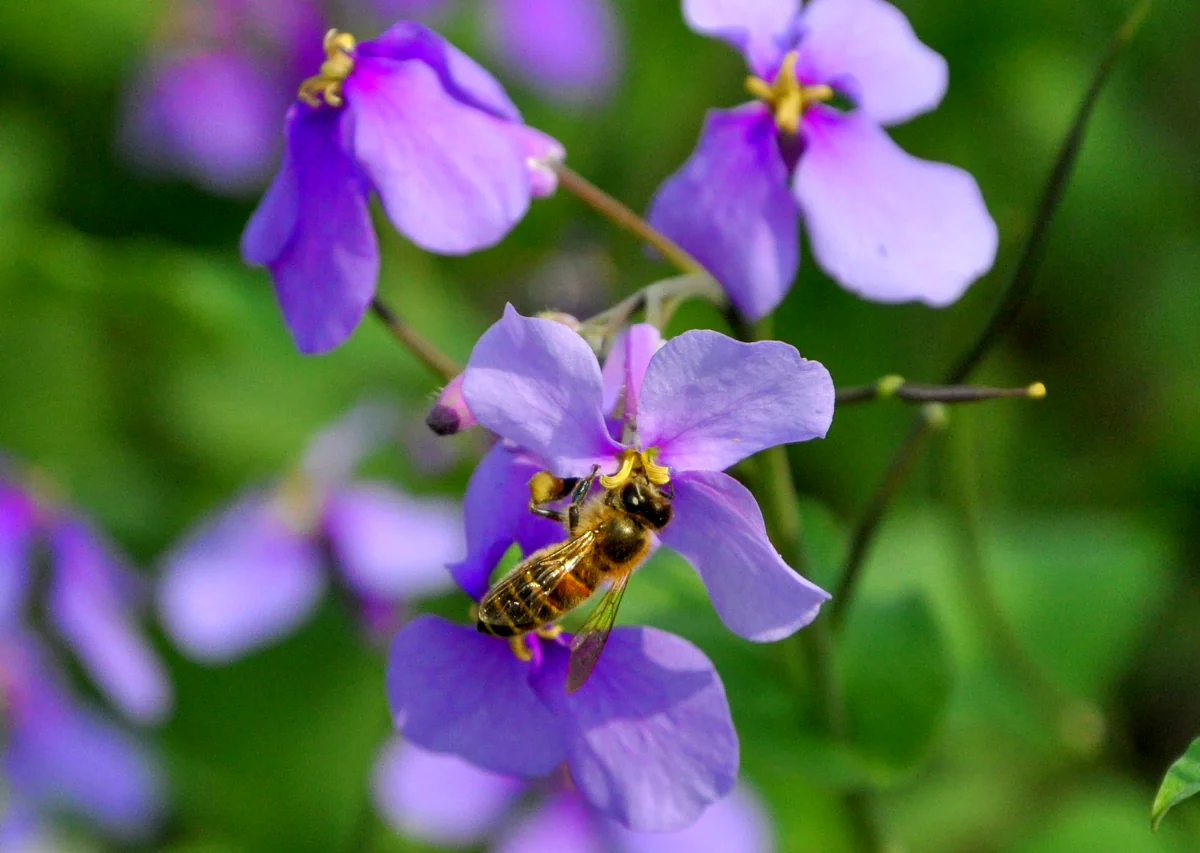
The Cape honeybee (Apis mellifera capensis) is a subspecies found only in South Africa’s southern and eastern Cape. It is remarkable among honeybees: Cape worker bees can lay eggs that develop into females, something worker bees of other subspecies cannot do. It is a uniquely South African insect, and an important pollinator of the region’s plants.
Why we keep bees
Pollinators sit at the base of a healthy ecosystem. Bees help the reserve’s plants flower and set seed, which in turn feeds the birds, insects and browsers that depend on them. Protecting the Cape honeybee on Longhill is part of the same conservation thinking behind our spekboom restoration and wildlife work.
A taste of the reserve
The honey itself is a small, seasonal batch. It is not sold commercially; it is simply part of what makes a stay on the reserve feel like being a guest of the land. Ask our team about it during your visit.